Hedge Trimming in Barkingside

Hedge trimming in Barkingside is about keeping planted boundaries neat, healthy and well shaped, whether the work is part of a regular garden maintenance routine or a one-off tidy-up after growth has got away. Careful cutting helps hedges keep their intended line, improves light to nearby plants and keeps paths, drives and front gardens looking orderly. We provide a practical service focused on the condition of the hedge itself, the finish you want and the level of attention different species need.
Different hedges call for different approaches, and a sensible trim is rarely just a quick pass with a cutter. Evergreen hedges can need light, frequent shaping to preserve density, while mixed or flowering hedges may need selective pruning so the plant still grows and flowers well. If you are comparing options, our services overview gives a broader picture of the work we cover, while this page focuses on hedge trimming as a stand-alone service for homes and outdoor spaces in Barkingside.
For a neater finish, it helps to think about the hedge’s purpose before the cut begins. A boundary hedge may need a more formal line; a screen hedge may be better kept full and even from top to bottom; a decorative feature hedge may need careful attention to symmetry. We work with the shape, size and species of the hedge rather than forcing a single style onto every job, and that makes the result look more natural and lasting.
Regular hedge care and shaping

Many hedges benefit from periodic trimming instead of waiting until they become too tall or too wide. Regular care keeps growth manageable, reduces the amount of hard cutting needed later and supports a cleaner outline through the growing season. It also makes it easier to maintain clear boundaries around lawns, beds and hard landscaping. Our hedge trimming service can be used on front-garden hedges, side boundaries and larger screening hedges where an even profile matters.
When a hedge is maintained regularly, the work is usually more about refinement than recovery. That means taking back the current season’s growth, correcting uneven sections and keeping the top level where appropriate. Garden maintenance can complement hedge work when you want the whole outdoor space looked after in a more structured way, especially where hedges sit alongside other planting that also needs routine attention.
There are also practical reasons to keep on top of trimming. Unmanaged hedges can narrow paths, encroach on drives or block views along a boundary. A tidy hedge can frame a property neatly, but it should still look alive and balanced rather than clipped into an unnatural block. We aim for that middle ground: neat enough to look cared for, soft enough to suit the plant.
What hedge trimming can involve
Hedge trimming is not always the same as hedge reduction or removal. In many cases, the task is to cut back current growth, sharpen the outline and keep the hedge to the desired width and height. Where a hedge has become dense, the work may need a little extra attention to ensure the outer surface is even and the shape does not leave thin patches. The aim is a controlled finish that respects the plant.
Depending on the hedge and its condition, trimming may include facing both sides evenly, levelling the top, easing the corners and tidying awkward sections where branches have pushed out beyond the main line. Some hedges respond well to a straightforward cut; others need a more selective approach so the result still looks full. If the hedge has grown beyond simple maintenance, a more substantial service may be more suitable, and the right choice can be discussed before work begins.
For larger or taller hedges, equipment choice and access also matter. Working safely on awkward edges, narrow side passages or upper sections often requires more planning than a small decorative hedge. Where a hedge runs close to a fence, wall or neighbouring planting, the finish needs enough precision to avoid unnecessary damage. Hedge trimming is our dedicated service page for this type of work, and it sits alongside other outdoor services where a garden needs a wider tidy-up.
Hedge shaping for different garden styles

Some customers want a crisp, formal shape; others prefer a softer, more natural outline. The right approach depends on the hedge species, its age and the overall design of the garden. A clipped frontage may call for straight lines and a level top, while a more relaxed boundary can be improved simply by keeping the outer growth even and removing obvious bulges. Good hedge trimming supports the style of the space rather than competing with it.
Shape also affects how the hedge performs over time. A top that is slightly narrower than the base can help light reach the lower growth and reduce thinning near ground level. In contrast, a hedge cut too narrow at the bottom may struggle to stay dense. Small changes in angle and height can make a meaningful difference to how the hedge looks and how well it recovers after cutting, so the approach should be chosen with care.
Where hedges form part of a front garden or act as a visual border near paving, a clean finish can improve the overall appearance of the property without changing the planting itself. If you are also improving other parts of the garden, landscaping may be useful for broader layout changes, while hedge trimming keeps the existing planted structure in good order. The two services often work well together when the aim is a balanced outdoor space.
Hedges, boundaries and access
Boundary hedges often need extra care because they sit close to fences, shared lines, gates or paths. Trimming in these places is partly about appearance and partly about keeping the boundary usable. A hedge can be cut back to preserve clearance without stripping away its natural shape, but the exact finish depends on how the hedge is planted and what it is meant to do. We take a measured approach so the result looks tidy from both sides where that is appropriate.
Access can influence how hedge trimming is carried out as well. A hedge beside a narrow side return may need hand work in sections, while a longer frontage may be easier to manage in a sequence that keeps the finish consistent. If there are awkward corners, nearby plants or fixed features to work around, it is often better to slow the process down and keep the shape steady. A tidy hedge should look deliberate, not hurried.
For gardens where the hedge is only one part of a larger upkeep plan, lawn mowing may help finish the overall picture, especially where trimmed edges and a level lawn reinforce each other. A well-cut hedge reads differently when the rest of the garden is also in order, and that is why many customers choose to keep the main features aligned rather than deal with each element separately.
How we approach a careful finish

Our approach is practical and straightforward. We look at the hedge’s current condition, the finish requested and the amount of work needed to bring it into shape. That might mean a light trim for a hedge that is already close to the desired line, or a more involved tidy where the growth has spread unevenly. The aim is always to leave a clean, even result that still suits the planting.
We also keep the work grounded in the hedge’s own structure. Branches that are part of the main form need a different treatment from fresh shoots, and some hedges recover better when cutting is done with restraint. If you are planning other improvements too, garden clearance can be relevant before or after hedge work where cuttings, overgrowth or old garden material need removing as part of a wider tidy-up.
When a hedge has strong seasonal growth, timing matters as much as the final line. A trim that is too severe can leave gaps; a trim that is too light may not solve the problem. By balancing those factors, the work can support healthier regrowth and a smarter finish. That is especially important for hedges that are expected to provide privacy, structure or a neat frontage throughout the year.
Preparing for a hedge trimming quotation
To prepare a quotation, it helps to share the hedge type if you know it, along with its approximate length, height and how easy it is to reach. A few details about whether the hedge is a simple top-up trim or has grown beyond its usual shape can make the scope clearer. If you are asking about several parts of the garden at once, it is useful to note that too so the quote reflects the full amount of work.
Photos can also help when the hedge is tall, runs along a boundary or has uneven growth that is hard to describe in words. Where access is tight, or where there are features such as fences, sheds, paving or delicate plants nearby, that context helps define how the work should be planned. For pricing information and the usual ways quotes are handled, pricing and quotes is a helpful page to view before you send your request.
If you are ready to get started, send the details that best describe the hedge and the finish you want. A clear request saves time and helps the quotation reflect the actual job rather than a rough guess. If you prefer, you can also use plain text and ask for a quotation directly when you make contact.
Other garden services that support hedge work
Hedge trimming often sits alongside other outdoor maintenance work, particularly where the garden needs a broader tidy as well as a shaped boundary. If hedges are part of a larger project, it can be useful to consider related services that improve the whole plot rather than the hedge alone. That is especially true where there is a mix of planting, lawns, old growth or worn-out features that need attention.
Garden maintenance is a sensible option where the hedge is only one element of an ongoing care plan, while landscape gardening can be relevant if the space is being reorganised rather than simply maintained. In some gardens, trimming a hedge is the first stage before the rest of the layout is brought back into line, which is why it can help to think about the relationship between plants, paths and borders together.
There are also situations where hedge work and tree work may be linked, especially when larger branches overhang the same area or cast shade across the hedge line. In those cases, the right service depends on what is actually growing and what needs to be achieved. Tree lopping and removal is there for trees, not hedges, but it can be part of a wider outdoor plan where both types of growth affect the same garden.
About Barkingside
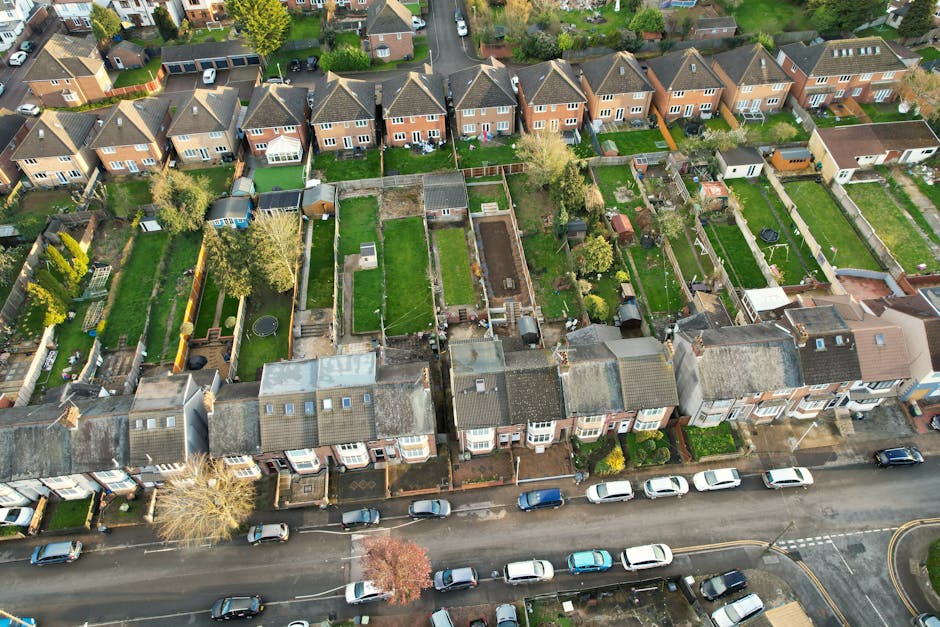
Barkingside is a district in the London Borough of Redbridge, in northeast London, and its present character reflects layers of suburban growth, civic planning and older local landmarks. The area is closely associated with the development of the Central line, which helped shape settlement and commuting patterns in the 20th century, and Barkingside station remains a recognisable point in the local place pattern. Nearby Ilford and Redbridge sit within the wider urban fabric, but Barkingside has its own centres of activity and a distinct neighbourhood feel. The district is notable for Barley Lane Park and Valentines Park in the wider vicinity, along with local shopping streets and residential roads that show the gradual spread of London suburbia. One of the best-known landmarks is Queen Victoria’s Statue at Redbridge Roundabout, and another important historical reference is Barnardo’s village at a site long connected with child welfare and Victorian philanthropy. Churches, schools and community facilities add to the local texture, while the street layout includes a mix of terraces, semidetached homes and later infill development. The area’s built form is typical of outer London expansion, but it also carries traces of earlier rural edges and estate-based development. As a result, Barkingside is a place where everyday commercial streets, transport links and residential avenues sit close together, giving the district a layered and practical urban identity.
Maintenance choices for busy gardens

Some hedges are part of gardens that are used hard every day, so the trimming needs to support access as well as appearance. A hedge near a gate, bin store or side passage should stay neat without becoming so bulky that it interrupts movement. In those cases, a careful routine trim can make the space easier to use while keeping the boundary attractive. The final shape should feel deliberate and practical rather than overworked.
Where hedges are beside lawns, driveways or paved borders, the relationship between the hedge line and the surrounding surfaces is important. A slightly untidy hedge can make the whole garden look less finished, while a clean cut can sharpen the appearance immediately. If the hedge is part of a larger property refresh, decking services may also be relevant when hard landscaping needs attention around the planting, although hedge trimming remains the focus of this page.
For customers who want the whole space handled in a coordinated way, it often makes sense to combine the hedge with the wider garden plan. That can include routine maintenance, clearance or landscaping depending on how much needs changing. The value of hedge trimming lies not only in the immediate tidy-up, but in keeping the garden easier to manage next time, with less correction needed and a more consistent outline from season to season. Please get in touch for a quotation when you are ready.
Supporting a neat finish over time
A hedge that is trimmed well is usually easier to keep under control later. That is because an even cut encourages a more predictable outline and reduces the amount of corrective work needed on the next visit. A neat finish can also help you decide whether the hedge should be kept at its present size or gradually brought into a more practical shape. The work is not only about today’s appearance; it is also about making future maintenance simpler.
Different seasons can affect how a hedge behaves, so a sensible trimming plan should match the plant’s growth pattern rather than rely on one fixed method. In some cases the right result is achieved with repeated light trims; in others, a more careful one-off correction is better. Where a hedge forms a privacy screen, we pay attention to preserving coverage while still improving the line and thickness. That balance is often what customers value most.
For anyone comparing outdoor services, it is worth thinking about whether the hedge simply needs reshaping or whether the surrounding garden also needs broader work. About us gives a general introduction to the business, while this page stays focused on the practical job of hedge trimming in Barkingside. If you would like a quotation, send the hedge details and the finish you have in mind.
Getting the right result for your hedge
Good hedge trimming is part technique and part judgment. The cut should suit the plant, the site and the purpose of the hedge, whether that is privacy, boundary definition or simple tidiness. A hedge that is too heavily reduced can look bare; one that is ignored can become lopsided and difficult to restore. The aim is to leave a balanced result that looks intentional from the street and from the garden side.
We work to keep the process straightforward for the customer and careful for the hedge. That means paying attention to the shape, avoiding unnecessary strain on the plant and keeping the result clean enough to make an immediate difference. For broader support, landscaping can be part of the conversation when hedge work is one step in a wider improvement plan, especially if the layout around the hedge is also changing.
If you would like to request a quotation, use the contact details on the site and include a short description of the hedge, its size and the finish you would like. A clear request helps us understand the work properly and prepare a response that fits the job. For simple upkeep or more involved reshaping, hedge trimming in Barkingside can make a marked difference to how the garden feels.