Responsible Hedge Trimming Barkingside: Recycling & Sustainability
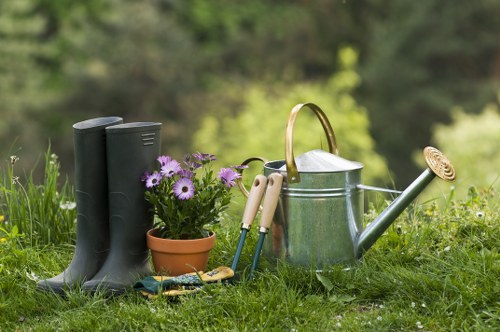 Hedge Trimming Barkingside blends professional hedge care with a clear environmental mission. Our approach to Barkingside hedge trimming and garden waste management is designed to support the local borough and reduce landfill tonnage. We prioritise on-site segregation of materials, reuse where possible, and divert the majority of green waste to composting or energy recovery, reflecting our commitment to a greener, more sustainable community.
Our measurable sustainability goal is simple and ambitious: we aim for a 65% overall recycling rate within three years and an 80% recycling rate for garden and woody waste specifically. These targets are supported by regular auditing, driver and crew training, and partnerships that increase reuse and local redistribution. By tracking progress quarterly we ensure that our hedge maintenance in Barkingside delivers both tidy gardens and tangible environmental benefits.
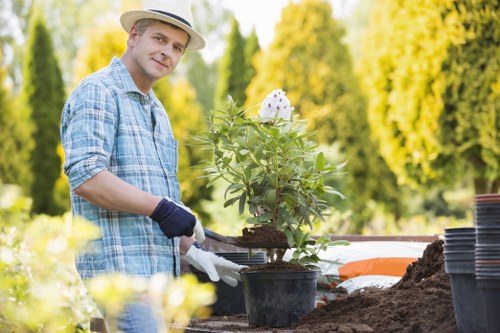 The London Borough of Redbridge and neighbouring authorities already promote separated collections — food waste, paper and card, glass, mixed plastics and garden waste — and we align our operations with that local approach to waste separation. Our teams follow borough guidance for sorting materials on-site, keeping green waste, recyclable timber and general refuse distinct so that more material reaches municipal processing and community reuse channels rather than landfill.
Transfer Stations, Local Recycling Hubs and Partnerships
We use local transfer stations and household recycling centres serving Barkingside and the wider Redbridge area to ensure proper processing of collected materials. Where possible we consolidate loads and use municipal hubs to reduce vehicle miles and speed up turnaround times. Our logistics plan favours nearby municipal recycling hubs and authorised private transfer stations that accept green waste, wood chippings and clean timber for composting, mulching or biomass conversion.
Key elements of our network include working with community reuse organisations and established charities to give materials a second life. We support and partner with groups such as Groundwork London and the Reuse Network, and collaborate with local community gardens and allotments to redistribute clean woodchip, brash and untreated timber for paths and mulch rather than sending it to disposal.
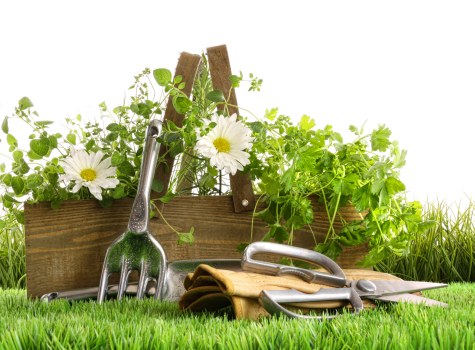 We also maintain relationships with local charity shops and reuse centres that accept items salvaged during garden clearances — think usable planters, timber for DIY projects and garden furniture that can be repaired. This reduces waste volumes and drives social value by redirecting useful goods to people and projects that need them.
Low-Carbon Fleet and Sustainable Site Practices
Our low-carbon vans and smart routing are central to reducing emissions from hedge trimming services in Barkingside. We operate a mixed fleet that includes electric vans and Euro-6 hybrid vehicles while steadily increasing the number of battery-powered vehicles. Route optimisation software and load consolidation reduce empty miles, and telematics help monitor driver behaviour to cut fuel use and emissions across the fleet.
On-site sustainability practices are equally important: teams use battery-powered hedge trimmers and electric chippers where feasible, opt for biodegradable wrap and compostable bags for green waste, and avoid unnecessary idling. We follow a wildlife-aware timing policy to protect birds and biodiversity while trimming, and we document all material flows to improve diversion rates.
Monitoring and reporting underpin our strategy: every job includes a simple waste log noting volumes of green waste, wood, recyclable materials and residual refuse. These logs feed into monthly reports that measure progress against our recycling percentage target and help identify opportunities for further reductions in waste and emissions.
We support circular economy principles by turning cuttings and branches into useful products: mulch for community gardens, compost inputs for municipal facilities, and clean timber for reuse. When chippings are produced on-site they are often offered to local green spaces, schools and charity-run allotments, creating value from material that would otherwise incur disposal costs.
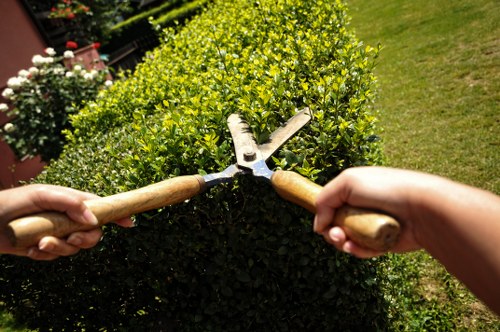 Logistics and partnerships also enable effective reuse. Clean, untreated timber and large reusable planters are offered to partner charities for DIY or community projects. Where material cannot be reused, we prioritise composting and biomass facilities that meet environmental standards, ensuring the least carbon-intensive treatment for each waste stream.
 Our pledge is practical and accountable: achieve a 65% overall recycling rate and 80% diversion for garden waste, expand our low-emission fleet, strengthen partnerships with local charities and reuse networks, and align every job with the borough's waste separation norms. By combining smart fleet choices, local transfer station use, charitable redistribution and robust on-site segregation, our hedge care Barkingside services aim to set a new standard for sustainable grounds maintenance.