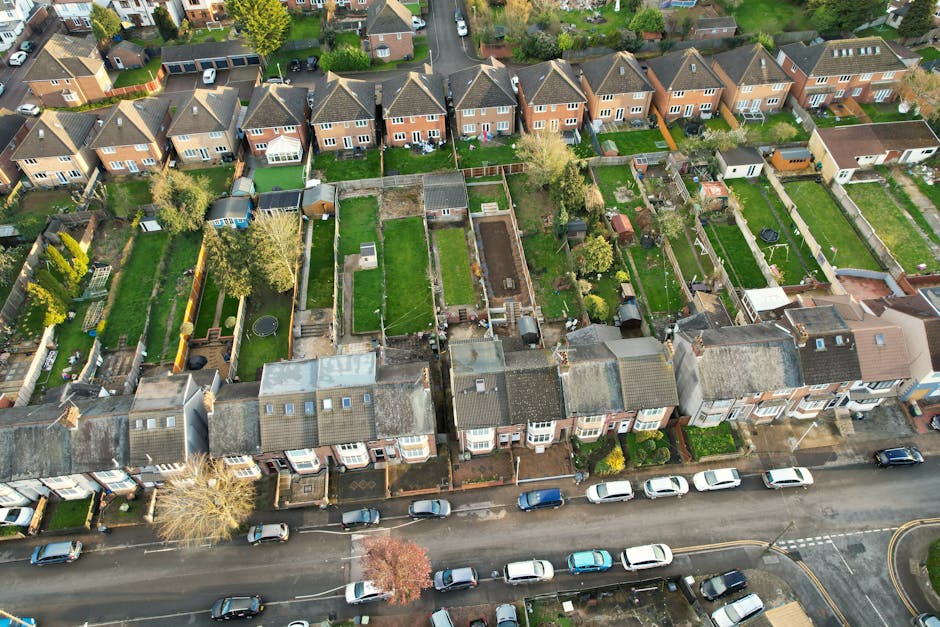
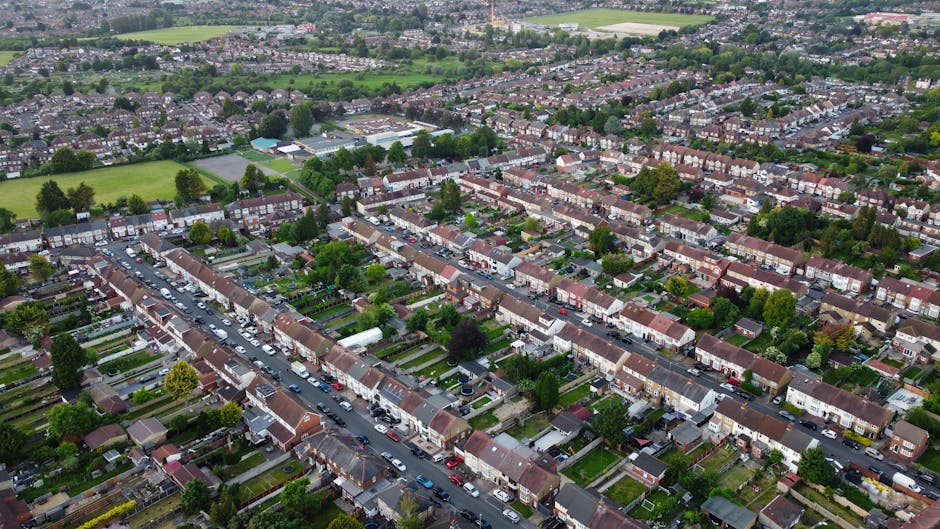
Fullwell Cross gardeners for estate hedges and lawns
If you manage a block, oversee a private estate, or simply want your larger garden to look smart all year, you already know the basics are not enough. Lawns need regular attention, hedges need shaping before they run away with themselves, and the whole place has to look consistent, not just tidy on one day and wild the next. That is where Fullwell Cross gardeners for estate hedges and lawns come in. The right team can keep things neat, healthy, and properly maintained without turning the job into a constant headache.
This guide walks through what estate hedge and lawn care actually involves, why it matters, how it is usually handled, and what good practice looks like in Fullwell Cross and the wider East London area. You will also find a comparison table, a practical checklist, common mistakes to avoid, and a realistic example of how a maintenance plan might work in a real setting. No fluff. Just useful, grounded advice.
Table of Contents
- Why Fullwell Cross gardeners for estate hedges and lawns Matters
- How Fullwell Cross gardeners for estate hedges and lawns Works
- Key Benefits and Practical Advantages
- Who This Is For and When It Makes Sense
- Step-by-Step Guidance
- Expert Tips for Better Results
- Common Mistakes to Avoid
- Tools, Resources and Recommendations
- Law, Compliance, Standards, or Best Practice
- Options, Methods, or Comparison Table
- Case Study or Real-World Example
- Practical Checklist
- Conclusion
- Frequently Asked Questions
Why Fullwell Cross gardeners for estate hedges and lawns Matters
Estate grounds are a different beast from a standard front or back garden. There is more surface area, more visibility, and more pressure to keep everything looking intentional. One missed mow is noticeable. One hedge left too long can change the whole appearance of an entrance, boundary, or communal lawn.
In Fullwell Cross, where many properties sit within busy residential streets and mixed-use surroundings, curb appeal matters as much as function. Well-kept hedges create privacy and structure. Healthy lawns soften the hard edges of paths, parking, and buildings. Together, they make a site feel cared for, calm, and properly managed. To be fair, people often notice the difference before they can explain it.
That is why estate maintenance is not just about cutting grass or trimming shrubs. It is about presentation, plant health, and consistency. A gardener who understands large-site maintenance will think about mowing patterns, hedge density, seasonal growth, drainage, access, edging, and how the site is used day to day.
It also helps avoid the false economy of reactive work. Letting a hedge get out of hand or a lawn deteriorate is usually more expensive to put right later. Regular attention keeps labour manageable and protects the long-term condition of the grounds.
How Fullwell Cross gardeners for estate hedges and lawns Works
Good estate garden maintenance usually starts with a site assessment. A gardener or grounds team looks at the size of the lawns, the hedge species, access routes, problem areas, and how often the grounds need attention. On larger sites, that first walkthrough matters more than people expect. It shapes the whole maintenance plan.
From there, a routine is built around the season and the site's actual needs. For lawns, that often means regular mowing, edging, weed management, aeration where needed, and feeding if the grass is looking tired. For hedges, it means trimming at the right time, keeping shapes even, and checking for damage, disease, or dead growth.
In practice, the work may involve a mix of planned visits and occasional one-off interventions. A good team does not simply arrive with a mower and hope for the best. They work through a sequence: inspect, clear, cut, shape, collect arisings, and check the finish. Small details matter. A crisp edge along a path can change the whole feel of a lawn. A hedge that is trimmed slightly narrower at the top than the base will usually hold its shape better and get light more evenly.
If you are still comparing options, it can help to look at related services too, such as professional grass cutting, broader gardening services in London, or more specialised hedge trimming support. That often makes the maintenance picture much clearer.
Key Benefits and Practical Advantages
There is a clear difference between a site that is maintained and one that is merely cut back every now and then. With the right gardeners, the benefits are practical, visual, and financial over time.
- Better first impressions: Tidy hedges and healthy lawns make entrances, communal areas, and boundary lines look cared for.
- Healthier plants: Regular, correct pruning and mowing reduce stress on grass and shrubs.
- Lower long-term repair work: Preventative care is usually easier than restoring neglected grounds.
- More predictable budgeting: Planned visits are often easier to manage than emergency clear-ups.
- Improved safety and access: Clear paths, even surfaces, and controlled growth help residents and visitors move around safely.
- Consistent standards: A maintenance schedule keeps the site looking stable, even through peak growing periods.
There is also a quieter benefit that gets overlooked: less worry. If you are responsible for a property, the mental load of wondering whether the hedges have gone too far or the lawns are patchy can get surprisingly heavy. A dependable maintenance plan takes that off your plate.
And yes, lawns do have moods. A stretch of dry weather, compacted soil, or a shady corner near a wall can change the look of the grass faster than people expect. The right gardener notices these patterns early.
Who This Is For and When It Makes Sense
This service is a strong fit for anyone responsible for larger or highly visible outdoor spaces. That could be estate managers, property managers, block managers, facilities teams, landlords, housing associations, schools, care settings, business premises, and private homeowners with substantial grounds.
It also makes sense if the site has one or more of the following features:
- long boundary hedges that need scheduled trimming
- shared lawns that get heavy foot traffic
- lawns with uneven growth, shade, or drainage issues
- multiple planting zones that need coordinated care
- communal areas where presentation affects residents or visitors
- seasonal spikes in growth that are hard to keep up with
If the grounds are small and straightforward, a simple mow-and-cut service may be enough. But once the site becomes larger, more visible, or more complex, estate-style care usually makes more sense. Why? Because consistency matters more than one-off tidiness.
It is also worth saying that some clients only need help at certain times of year. Spring and early summer can be especially demanding, with faster growth and more frequent cuts required. Later in the year, the focus often shifts to keeping things tidy, managing leaf fall, and preparing the site for colder months.
Step-by-Step Guidance
If you are setting up a maintenance plan for hedges and lawns, this is the simplest way to approach it without overcomplicating things.
- Walk the site properly. Note hedge lengths, lawn sizes, access points, slopes, borders, and any rough patches.
- Identify priorities. Some areas are purely decorative. Others are functional, like pathways, communal spaces, or sightlines near entrances.
- Set the maintenance frequency. Lawns may need weekly or fortnightly attention during peak growth. Hedges may need trimming a few times a year depending on species and shape.
- Match the method to the plant. Not every hedge should be cut the same way. Likewise, lawn care differs for ornamental grass, shade-heavy areas, and busy communal turf.
- Plan for seasonal shifts. Spring growth, summer dryness, autumn leaf fall, and winter dormancy all change the work pattern.
- Keep records. Even a basic log of visits, issues, and treatments helps spot trends and avoid repeat problems.
- Review the result. Walk the site after work is completed. Check for missed edges, uneven cuts, damage, or debris left behind.
A simple example: a landscaped estate with a central lawn, boundary hedges, and two pedestrian entrances might need mowing every week in late spring, hedge trimming three times through the growing season, and a monthly tidy-up in the quieter months. Nothing fancy. Just steady, sensible care.
If you want a broader overview of what a maintenance visit can include, the page on garden maintenance in London gives a useful sense of how different tasks fit together across one property.
Expert Tips for Better Results
There are a few small habits that make a surprisingly big difference on estate-scale grounds. They are not glamorous, but they work.
1. Trim hedges before they become a problem
Once a hedge has gone past its preferred shape, the cut becomes harsher and the finish can look blunt. Regular shaping keeps growth dense and even. Letting it run too long often leads to uneven patching, which nobody wants.
2. Don't scalp the lawn
Cutting grass too short, especially during dry spells, weakens it. A slightly higher cut is often healthier and more resilient. That is especially true on sites with foot traffic or inconsistent shade.
3. Pay attention to the edges
A neat edge line along paving, beds, and paths often makes a bigger visual difference than another pass over the centre of the lawn. Tiny detail, big payoff. A bit of lawn edging goes a long way.
4. Use the site's natural rhythm
Some estates are busy midweek and quiet at weekends. Some get heavy morning footfall near car parks or entrances. Maintenance timing should work around that rhythm, not fight it.
5. Watch for stress signals
Thin patches, brown tips, moss, or hedge thinning can signal drainage trouble, compaction, or pruning issues. Catching these early is much easier than trying to restore a tired-looking site later.
And one slightly unglamorous truth: a good grounds team spends a fair bit of time cleaning up after the cut. Arisings, stray clippings, and hedge debris can make a smart site look half-finished if they are left behind. The clean-up is part of the job, not an optional extra.
Common Mistakes to Avoid
Estate hedge and lawn care often goes wrong in the same few ways. Most of them are avoidable once you know what to look for.
- Waiting too long between visits: Growth gets ahead of the schedule and the finish suffers.
- Using one method for every hedge: Different species and forms need different approaches.
- Ignoring shade and drainage issues: A tired lawn is often pointing to an underlying cause, not just poor cutting.
- Overcutting during stress periods: Hot weather, dry soil, and compacted ground all call for care.
- Skipping the edges and borders: These details make a huge difference to the overall finish.
- Choosing price alone: The cheapest option can become expensive if the work is rushed or inconsistent.
Another common issue is failing to separate appearance from plant health. A hedge can look tidy for a week after a hard cut and still be unhappy underneath. Likewise, a lawn can look decent from a distance while suffering at root level. The best gardeners think beyond the visible result.
Truth be told, a lot of frustration comes from expecting maintenance to behave like a one-time clean-up. It is more like keeping a kitchen in order than doing a deep spring clean. Ongoing, not occasional.
Tools, Resources and Recommendations
Estate maintenance does not require an endless list of specialist kit, but the tools used should suit the scale and condition of the site. For hedges and lawns, the basics often include commercial mowers, line or rotary trimmers, hedge cutters, edging tools, blowers for tidy-up, rakes, and hand tools for detail work.
For larger or more demanding sites, the quality of the equipment matters more than people think. A reliable mower gives a more even finish. A well-maintained hedge cutter produces cleaner lines and reduces strain on the operator. Not very dramatic, but very real.
Useful service pages to explore if you are building a broader maintenance plan include landscaping support in London, grass cutting help, and weed control services where unwanted growth is starting to affect the finish.
If your site has ornamental features, heavy planting, or seasonal beds, it can also be useful to coordinate hedge and lawn work with broader planting care so the whole site feels joined up rather than piecemeal. That coordination is often the difference between "maintained" and "well managed".
Law, Compliance, Standards, or Best Practice
For most estate hedge and lawn work, the main focus is not on complicated legal compliance but on safe, professional best practice. That said, there are a few things responsible managers should keep in mind.
First, work should be carried out with attention to site safety. That means suitable equipment, clear access, careful handling of machinery, and sensible planning around residents, visitors, children, or staff. If a site is busy, timings matter. Morning school runs, delivery windows, or peak visitor periods can all influence when work should happen.
Second, hedge work can sometimes affect nesting birds, wildlife, or shared boundaries. It is wise to take a cautious approach and avoid work that clearly risks disturbance. In practice, good gardeners will check before cutting, especially during the main bird nesting season. That is normal good practice, not overkill.
Third, waste handling should be tidy and responsible. Cuttings, clippings, and green waste should not be left to smother beds or block access. On estates, a clean finish is part of the standard.
Finally, if the site has communal use, it is sensible to keep records of visits, identified issues, and planned follow-up work. Simple records help with continuity, especially when multiple people manage the same property. A note in a file can save a lot of head-scratching later on.
Options, Methods, or Comparison Table
There are usually a few ways to approach hedge and lawn maintenance. The best choice depends on site size, how formal the grounds are, and how consistent the finish needs to be.
| Approach | Best for | Pros | Trade-offs |
|---|---|---|---|
| One-off tidy-up | Overgrown lawns or hedges that need a reset | Quick visible improvement, useful before inspections or events | Does not keep standards high on its own |
| Scheduled maintenance | Most estates, communal grounds, and managed properties | Consistent appearance, easier planning, healthier growth | Requires regular commitment |
| Seasonal maintenance plan | Sites with strong spring and summer growth changes | Flexible, cost-aware, tailored to growth cycles | Needs a clear schedule and review points |
| Integrated grounds care | Larger estates with planting, weeds, hedges, and lawns together | Joined-up result, better presentation, less duplication | Works best with a capable, organised team |
In many cases, scheduled maintenance wins simply because it keeps the whole site stable. One-off jobs have their place, especially after neglect or before a major event. But if you want a site to stay sharp week after week, regular care is the smarter route.
Case Study or Real-World Example
Imagine a residential estate in Fullwell Cross with a central lawn, perimeter hedging, and shared walkways between blocks. The site looks pleasant enough in winter, but by late May the grass is growing fast and the hedges begin to spill into the paths. Residents start noticing the mess, and the entrances lose some of their shape.
A practical maintenance plan would begin with a full cut-back of the worst growth, followed by a regular mowing cycle to keep the lawn under control. The hedges would be assessed individually, because some may need light shaping while others need a more careful reduction. Edges along the paths would be redefined so the site immediately looks sharper.
Over the next few visits, the gardener would focus on consistency: the same cut height, the same hedge line, the same clean-up after each job. The lawn starts to thicken. The hedges stop looking shaggy. Residents notice, although usually in that quiet way people do when something simply feels better.
That is the real value of good estate garden care. Not drama. Just calm, steady improvement.
Practical Checklist
Use this checklist when planning or reviewing hedge and lawn maintenance for an estate or managed property:
- Have the lawns been assessed for shade, drainage, and wear?
- Are hedge species and growth habits known before trimming starts?
- Is there a clear schedule for mowing and hedge cutting?
- Are entrance areas, paths, and communal spaces prioritised?
- Is debris removed after each visit?
- Are edges, borders, and corners finished properly?
- Has seasonal growth been factored into the plan?
- Are safety concerns managed around residents and visitors?
- Are any signs of disease, moss, or patchy growth being recorded?
- Is the site being reviewed regularly, not just maintained blindly?
Expert summary: The best estate hedge and lawn care is not flashy. It is regular, tidy, and responsive to what the site actually needs. If you keep the rhythm right, everything else gets easier.
Conclusion
Fullwell Cross gardeners for estate hedges and lawns provide more than a neat finish. They help keep larger outdoor spaces healthy, presentable, and much easier to manage over time. Whether you are maintaining a communal estate, a private property with generous grounds, or a site where first impressions matter every single day, the value lies in consistency and care.
The right approach blends scheduled mowing, careful hedge trimming, seasonal awareness, and a proper eye for detail. It also respects the practical realities of local sites: foot traffic, weather shifts, access, and the simple fact that gardens never stand still for long. If you get the rhythm right, the whole property feels more settled. Better, even.
Get a free quote today and see how much you can save.
And if you are still deciding, that is fine. A good grounds plan should feel reassuring, not rushed. Take your time, ask the right questions, and choose the team that treats the site like it matters - because it does.
Frequently Asked Questions
What do Fullwell Cross gardeners for estate hedges and lawns usually include?
They typically include regular mowing, hedge trimming, edging, debris removal, and checks for overgrowth or plant health issues. On larger sites, the service may also include seasonal tidy-ups and planned maintenance visits.
How often should estate lawns be cut?
It depends on growth, weather, and use. During peak growing periods, weekly mowing is often sensible for visible communal lawns. Slower-growing or less-used areas may need less frequent attention.
How often should hedges be trimmed on an estate?
That depends on the hedge species and the finish you want. Many hedges need trimming at least once or twice a year, while faster-growing ones may need additional shaping to stay neat.
Can gardeners help if the hedges are already overgrown?
Yes. A good team can usually bring an overgrown hedge back under control, although the work may need to be done gradually to avoid damaging the plant or leaving a harsh finish.
What is the difference between lawn mowing and proper lawn care?
Mowing is only one part of lawn care. Proper lawn care may also include edging, aeration, weed management, feeding, scarifying where needed, and identifying issues such as shade or poor drainage.
Is estate garden maintenance suitable for small blocks of flats?
Yes, especially if the shared areas need a consistent standard. Even small communal lawns and hedges benefit from regular care, particularly where appearance and safety matter.
What should I look for in a gardener for estate grounds?
Look for reliability, clear communication, experience with larger sites, attention to detail, and a sensible maintenance plan. A cheap quote means little if the finish is patchy or the visits are inconsistent.
Do gardeners remove waste after hedge and lawn work?
They should. Waste removal and tidying are part of a proper service. If green waste is left behind, the site will look unfinished even if the cutting itself was decent.
Are there safety issues with hedge trimming on estates?
Yes, especially where people live, walk, or park nearby. Safe access, careful machinery use, and sensible timing all matter. Good gardeners plan the work around the site rather than working blindly through it.
Can regular maintenance save money in the long run?
Usually, yes. Preventing overgrowth and decline is often less expensive than restoring neglected hedges and tired lawns later. It also helps spread the work more evenly across the year.
What time of year is best for hedge and lawn work?
There is no single best time, because lawns and hedges need attention across different seasons. Spring and summer often require the most frequent visits, while autumn and winter are more about tidying, maintenance, and preparation.
How do I know if my estate lawn needs more than mowing?
If the lawn is thin, patchy, mossy, waterlogged, or uneven, it probably needs more than a cut. That may mean aeration, feeding, reseeding, improved drainage, or reducing wear in high-traffic areas.